When it comes to achieving fitness goals, many people focus solely on working out and nutrition. While both of these are essential, one key factor is often overlooked — sleep and exercise work hand in hand to help you perform at your best. If you have ever pushed through a tough workout after a sleepless night, you already know how much sleep can impact your energy, strength, and recovery.
In this guide, we will explore how sleep and exercise are deeply connected, why both should be part of your fitness plan, and how you can optimize both to get outstanding results.
Before diving into workout strategies, let’s first break down why sleep is so important. Sleep is not just about feeling rested. It is a fundamental need for every human being, affecting your mental, emotional, and physical health.
According to the American Academy of Sleep Medicine, adults should aim for 7 to 9 hours of quality sleep every night for optimal health. Without it, your mind feels foggy, your mood takes a dive, and your physical performance plummets. Simply put, no matter how hard you train, without enough sleep, your fitness progress will hit a wall.
Sleep helps regulate hormones that control hunger, energy, and stress. It allows your muscles to repair after exercise and helps improve focus for your next workout. Even missing a couple of hours of sleep can affect your strength, endurance, and motivation to exercise.
If you feel like your workouts are not as effective as they should be, our one-on-one personal training services can help you build the right plan while keeping your recovery in mind.
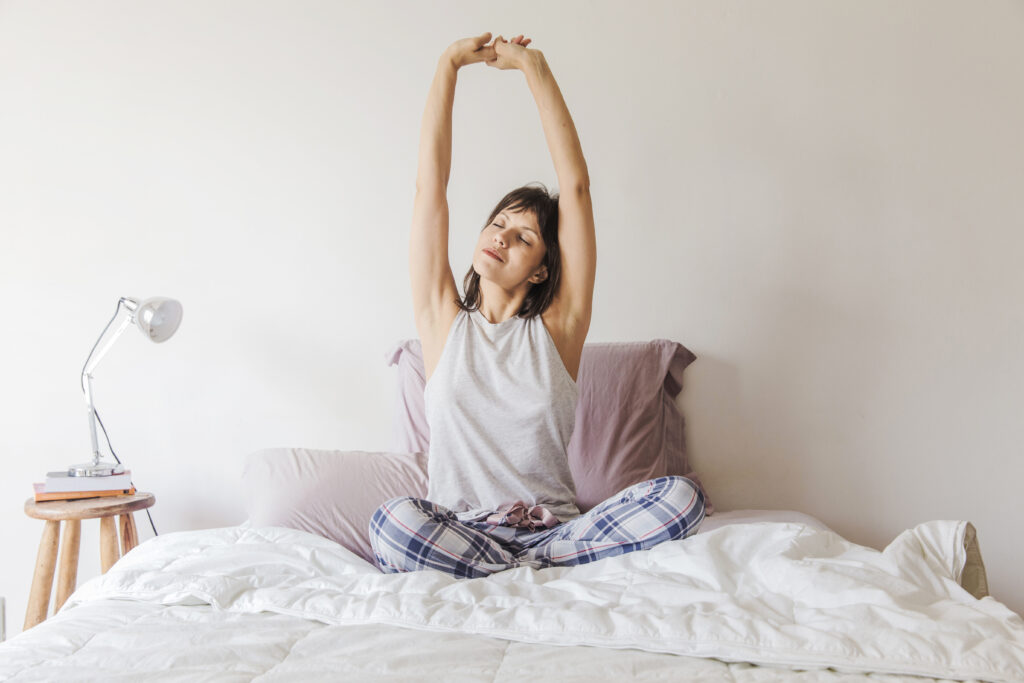
If you want to learn more about the science of sleep, check out this helpful resource from the Sleep Foundation.
So, how exactly does sleep and exercise connect? When you engage in any physical activity, you break down muscle fibers. Your body then uses sleep time to rebuild these muscles stronger. The process of muscle repair, hormone production, and memory consolidation all happen while you sleep.
A study from the National Library of Medicine discovered that people who exercised for at least 30 minutes a day experienced improved sleep quality. Even better, those who exercised consistently slept an average of 15 minutes longer each night compared to those who did not. That might not sound like much, but those extra minutes add up over weeks and months, enhancing your body’s ability to recover.
The relationship between sleep and exercise is a positive cycle. The more consistently you exercise, the better you sleep, and the better you sleep, the more likely you are to stick with your fitness routine.
Absolutely. Regular exercise not only helps you fall asleep faster but also improves the quality of your deep sleep — the phase of sleep when your body does most of its repair work. Exercise also reduces stress and anxiety levels, which are often culprits behind restless nights.
However, timing matters. Exercising too late in the evening may increase your adrenaline and make it harder to wind down. The sweet spot is usually during the morning or early afternoon, allowing your body to return to a relaxed state by bedtime.
The type of exercise you choose does not have to be intense. Walking, stretching, swimming, or joining one of our mobility classes can be a great addition to your daily routine.
One of the most common mistakes I see is people overtraining without giving their bodies time to rest. Remember, muscles grow and strengthen during recovery, not while you’re actually working out. Skipping rest days or consistently missing out on quality sleep will lead to exhaustion, slower progress, and potentially injuries.
Your fitness journey should always include balance. Rest days allow your body to heal, prevent burnout, and keep your mind motivated for future sessions. Think of sleep as your body’s secret weapon for long-term results.
If you’re ready to get serious about combining sleep and exercise for maximum results, start by building good sleep hygiene habits:
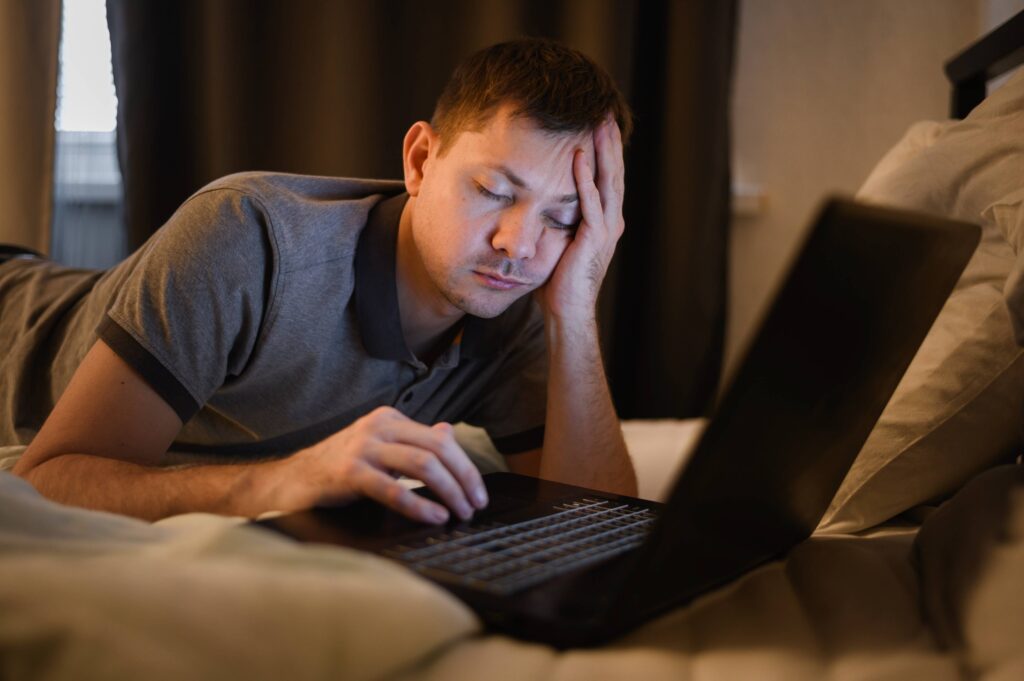
As summer rolls in, outdoor workouts can boost both your fitness and your sleep. Sunlight exposure regulates your circadian rhythm, making it easier to fall asleep at night. Plus, working out outdoors improves mood and mental well-being thanks to fresh air, sunshine, and a natural change of scenery.
Just remember a few essential outdoor workout tips:
There’s no question about it — sleep and exercise together are a game changer for anyone serious about health and fitness. Skimping on sleep will slow down your results no matter how hard you train, while regular exercise can dramatically improve your sleep quality. When you get both right, your body rewards you with more energy, better workouts, and faster recovery.
If you’re ready to take your fitness to the next level and learn how to balance sleep and exercise effectively, we are here to help. At TTP, our team is passionate about helping you build routines that deliver real, long-lasting results. Reach out to us anytime, and let’s build your success story together.